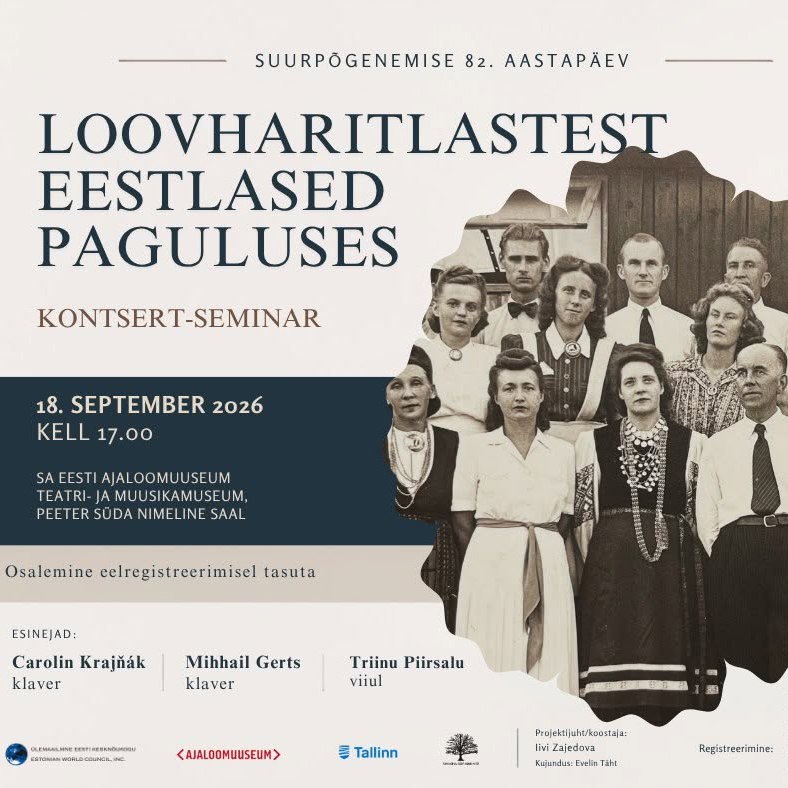


82 YEARS SINCE THE GREAT ESCAPE OF 1944
“THE BOAT OF TEARS”, TALLINN
Solaris Centre, 19–21 September 2026
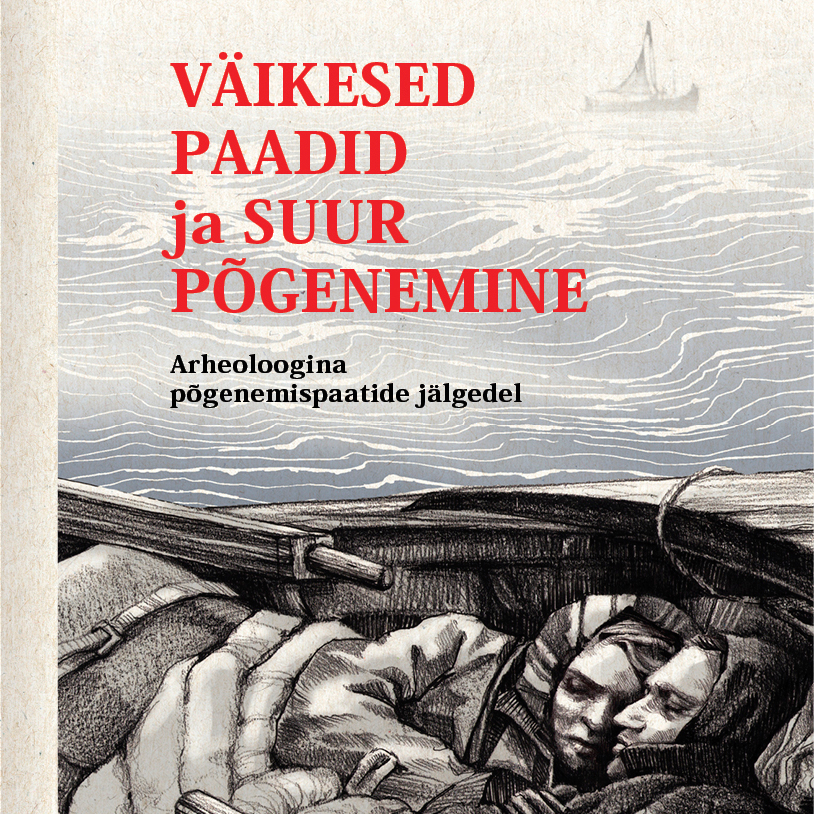
In the autumn of 1944, approximately 80,000 people fled Estonia ahead of the advancing Soviet Army — around 8% of the country’s population. Estonia was once again occupied by the Soviet Union. The occupation lasted for almost 50 years, from 1944 to 1991, and ended with the restoration of Estonia’s independence.
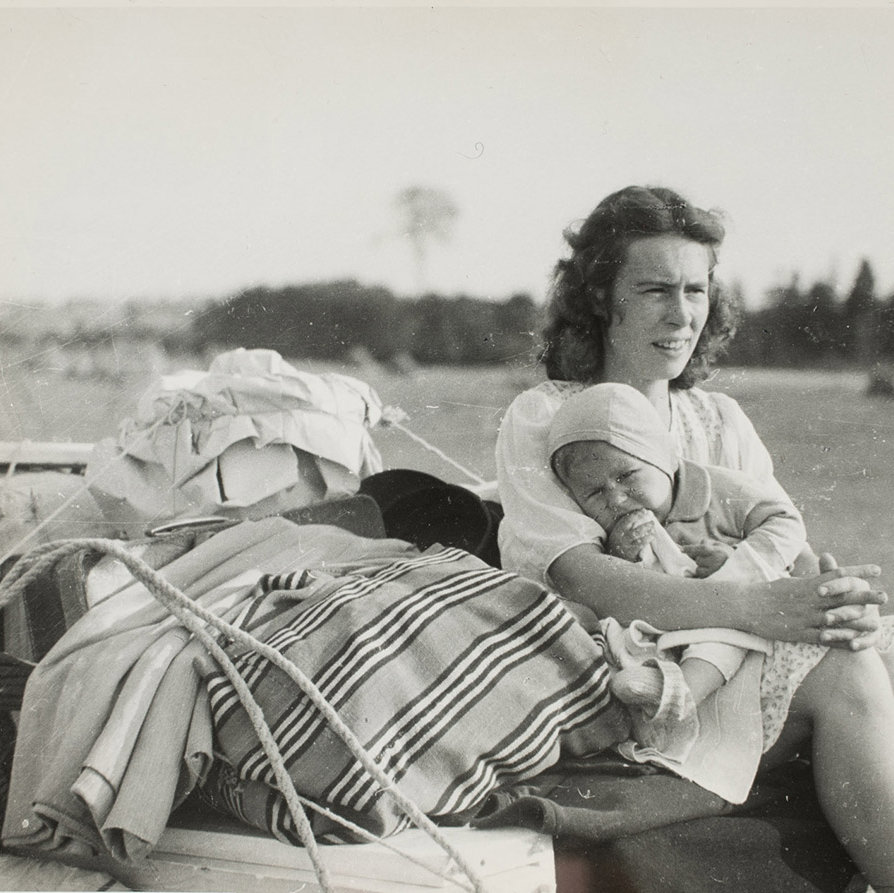
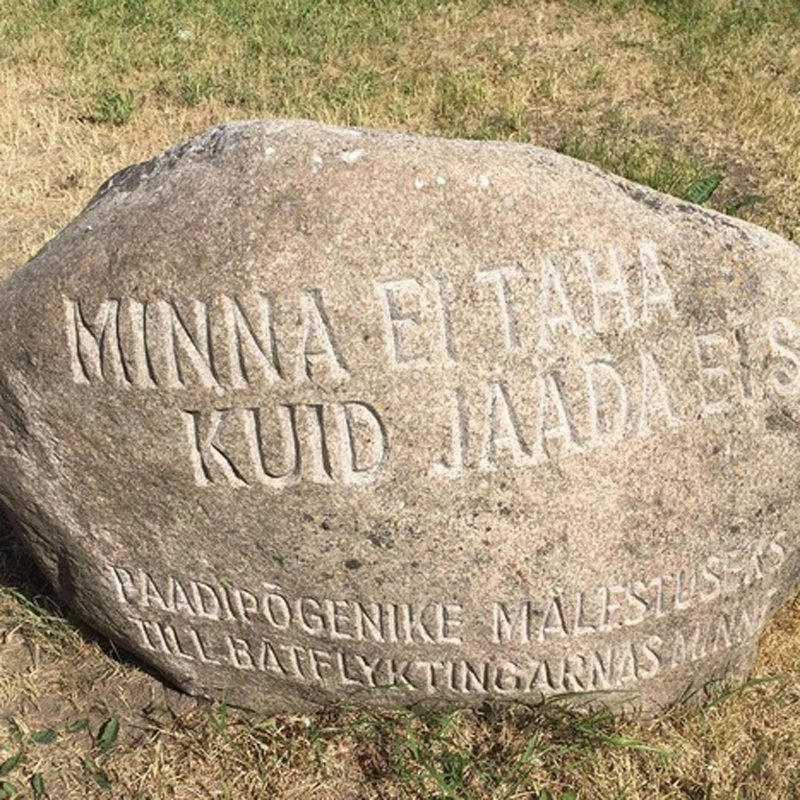
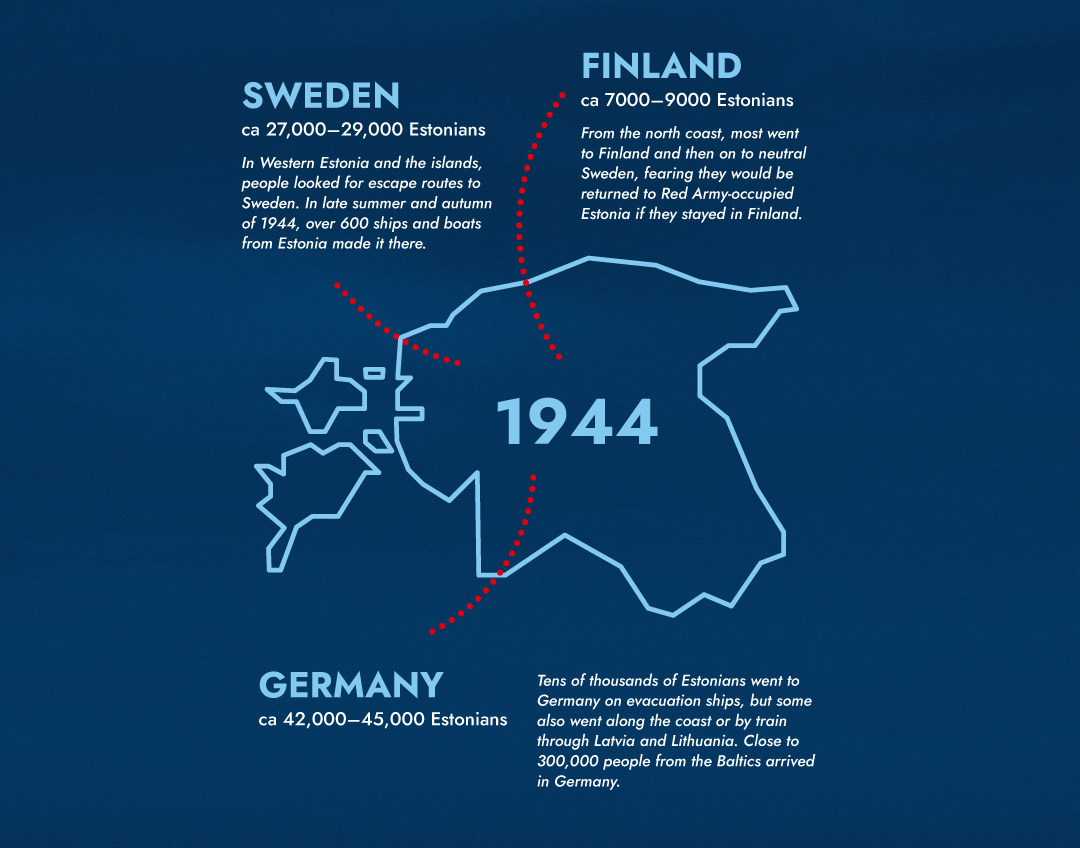
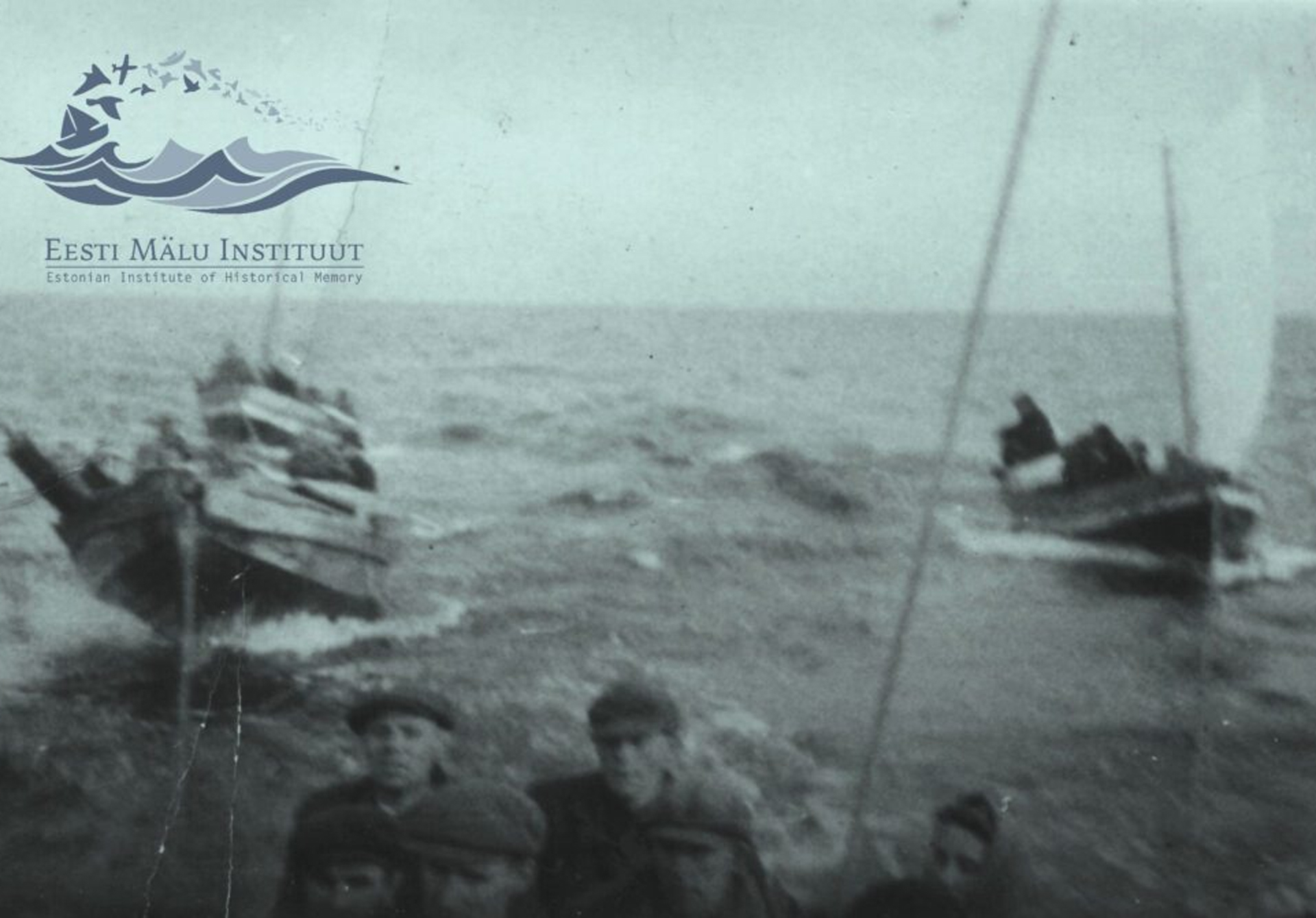
People crossed the stormy Baltic Sea on both large ships and small fishing boats, risking their lives and safety. Many never reached their destination. Around 32,000 Estonians reached Sweden, another 7,000 travelled via Finland, and nearly 40,000 made their way to Germany. This wave of departure is also known as the boat refugee exodus, or the GREAT ESCAPE. Reaching safety meant freedom, but what followed was often a difficult life in refugee camps and the challenge of beginning again in a foreign country.
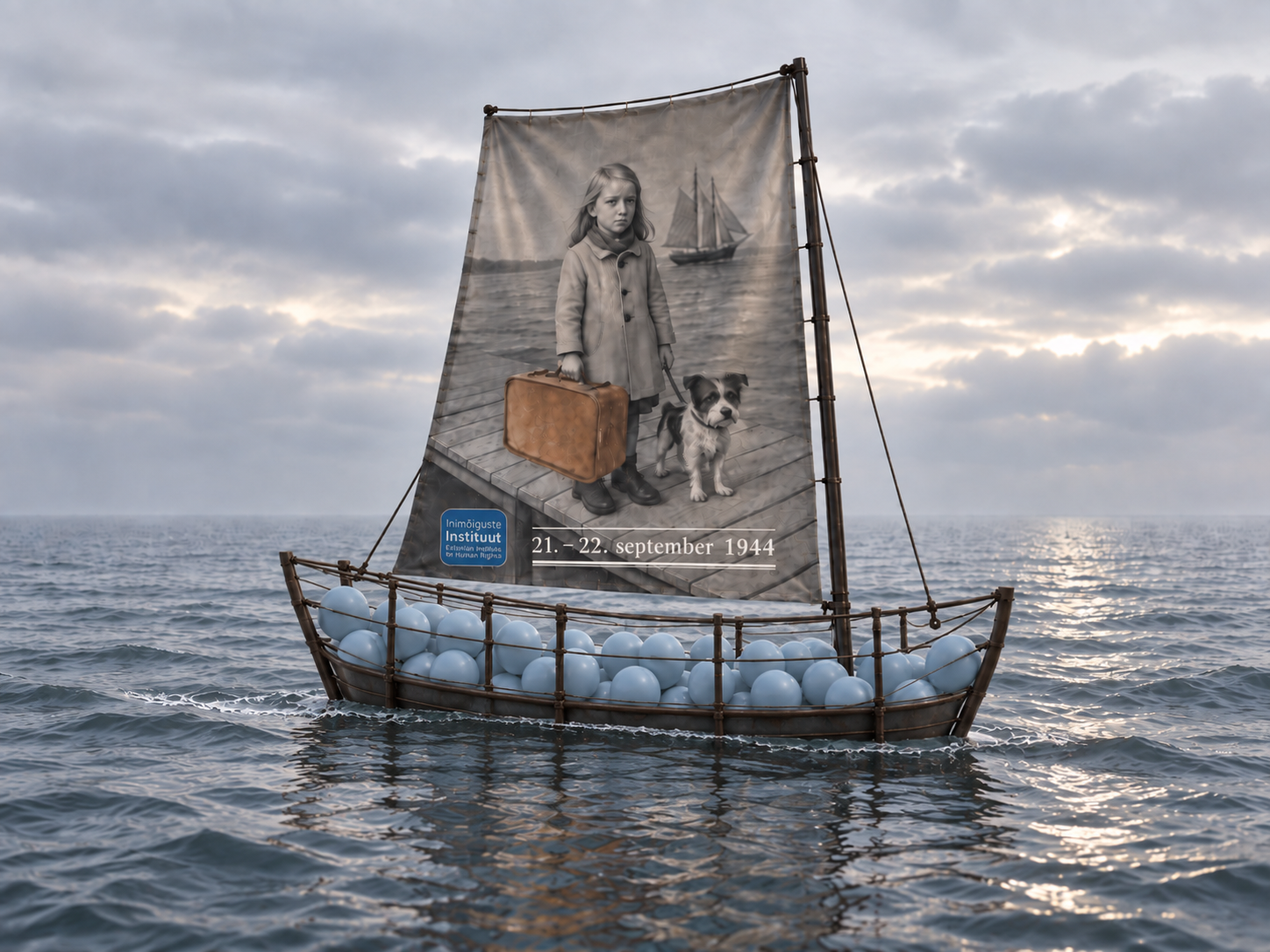
Installation “THE GREAT ESCAPE – THE BOAT OF TEARS”
At the centre of this memorial installation dedicated to the boat refugees who fled Estonia in 1944 is a solitary sailing boat on its way from Estonia towards Finland, Sweden or Germany.
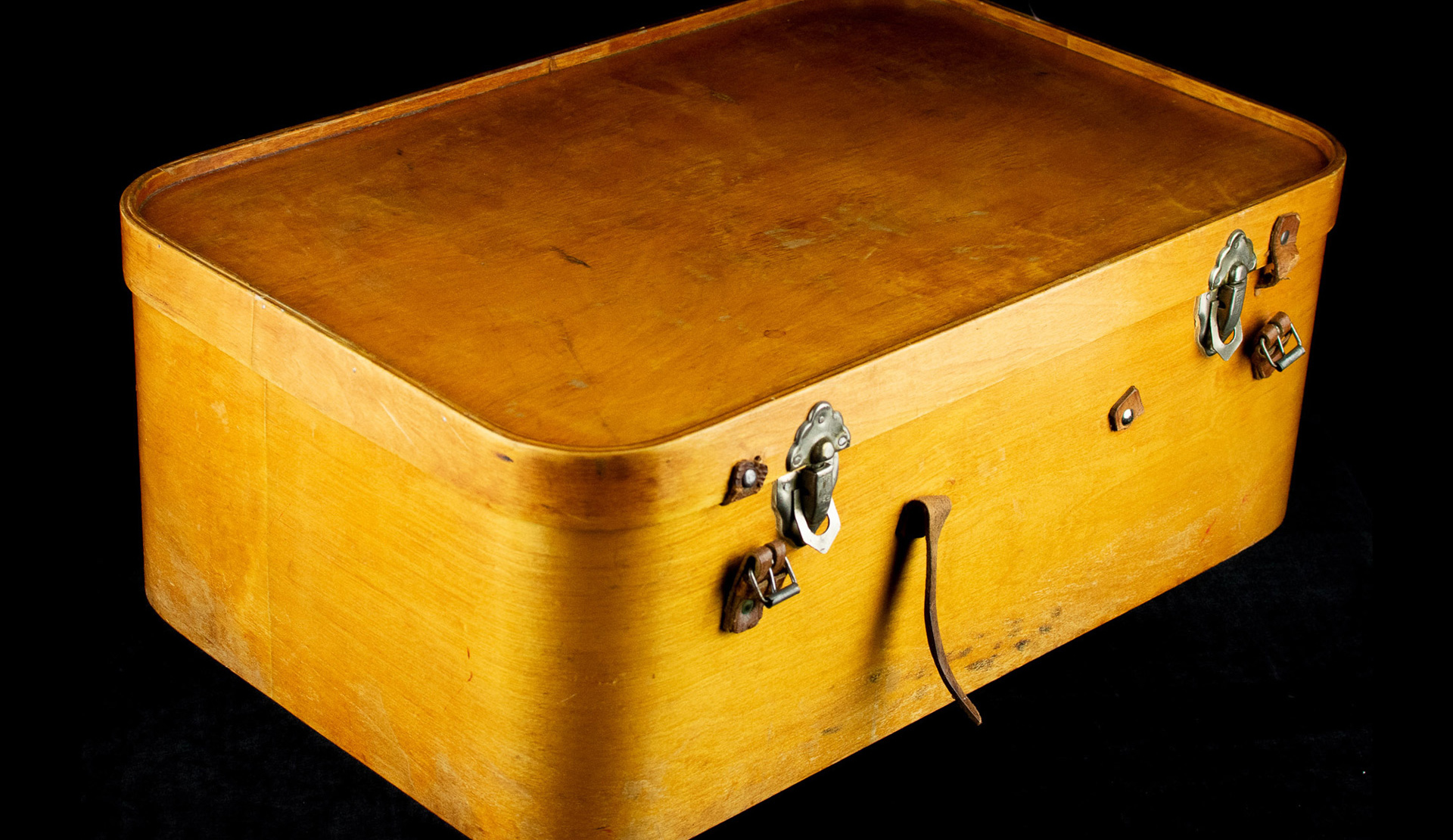
The small boat carries the “Sail of Tears”, depicting a girl standing on a pier with her small dog and a Luther plywood suitcase. Only the bare necessities have been hurriedly packed into the suitcase. The girl looks back longingly at the homeland she is being forced to leave behind. As always, the boat is filled with “tears”.
The sailing boat used in the installation is symbolic and illustrative rather than a reconstruction of a specific historical vessel.
All materials used in the installation are recycled or reusable.
Original concept and sail design: NGO Estonian Institute of Human Rights / Aet Kukk
Sailing boat: Steefer
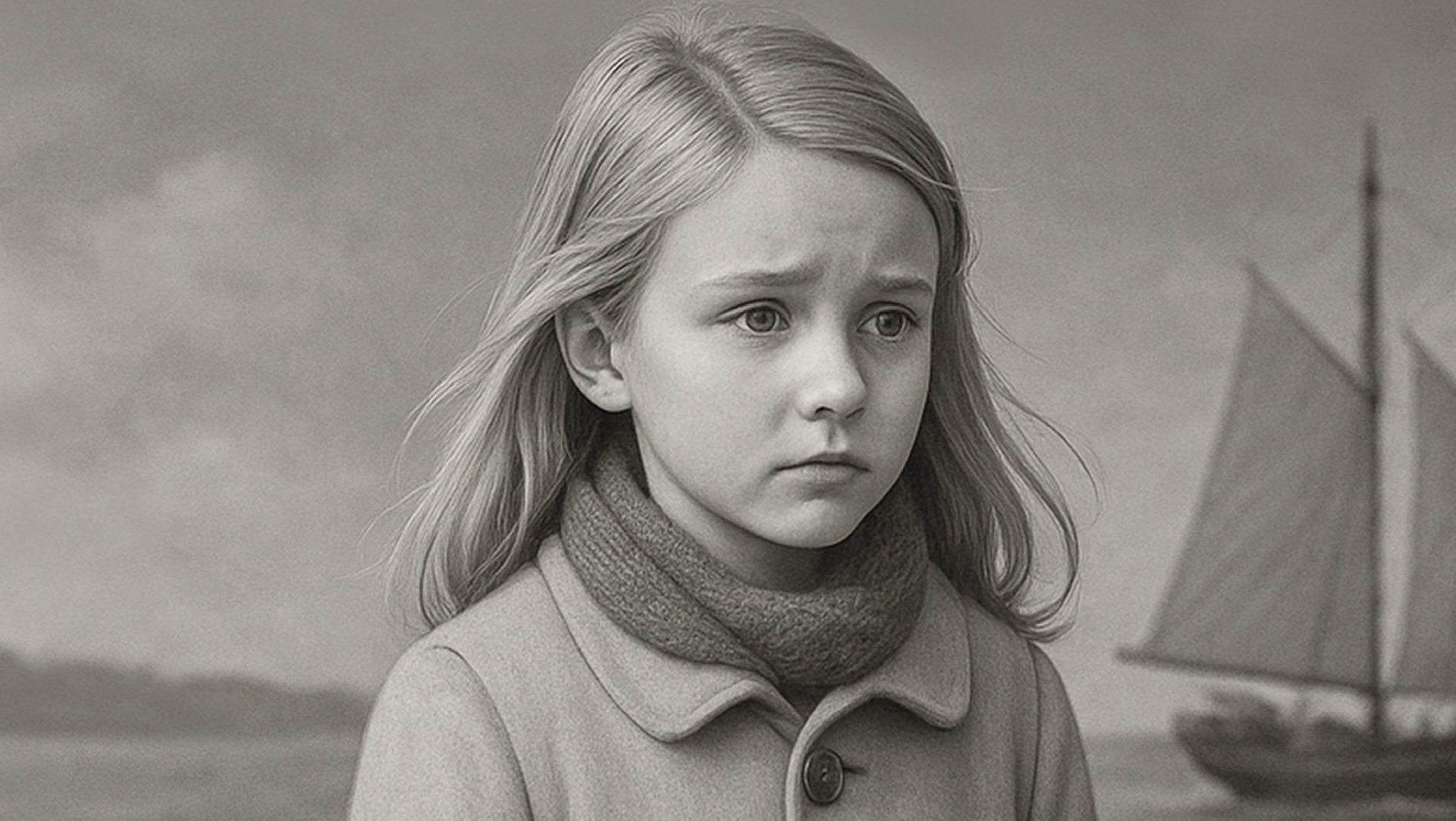
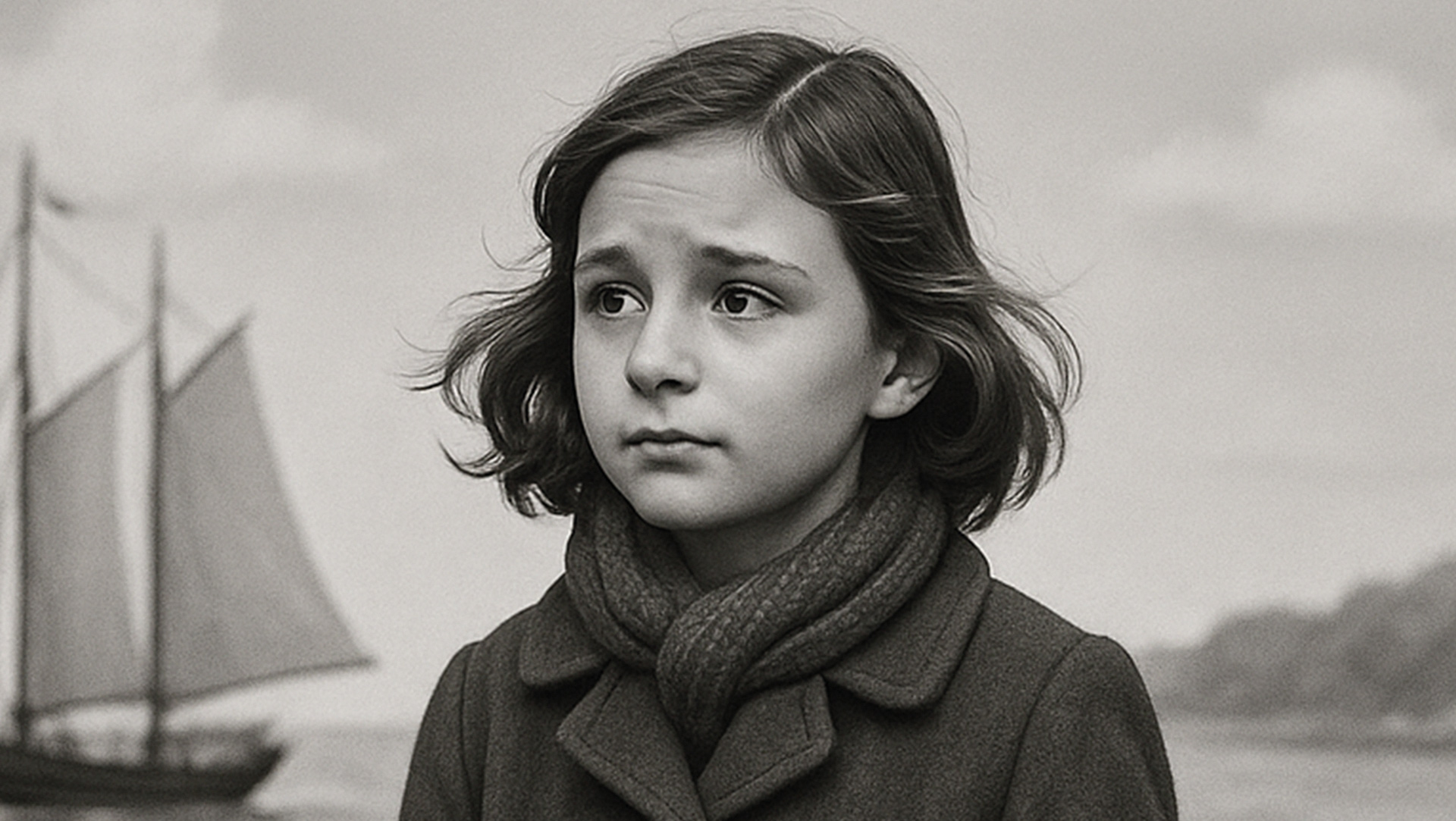
War and occupation abruptly brought childhood to an end for many. Homes, gardens, playgrounds and loved ones had to be left behind. People often departed with only a few possessions — frequently no more than what could fit into a Luther plywood suitcase — without knowing whether they would ever be able to return home.
The last ships carried them across the sea into the unknown, leaving behind everything familiar and dear. Departure meant loss and pain, but it also marked the beginning of a new journey abroad — difficult, yet filled with hope.
In exile, people had to find work, study, adapt and build new lives. Yet memories of childhood and home remained in their hearts. These memories became a source of strength, giving rise to creativity and to a determination to preserve their identity and keep alive the dream of Estonia.
Amid war and occupation, nearly 80,000 people fled Estonia. The exodus has sometimes been described as a flight of the elite, but in reality most of those who left were farmers, fishermen and ordinary workers.
Intellectuals and ordinary families found themselves side by side in the same boats and ships. What united them was fear of the future and hope for freedom.
This was not merely the journey of an elite, but a shared attempt by an entire people to escape. Those who reached foreign shores were the ones whom chance and circumstance allowed to survive. Many were lost on the way; others were forcibly repatriated.
Those who remained abroad built new lives and bore witness to the fact that the Great Escape was, above all, the story of a people.
WHERE DID THEY FLEE?
The exodus reached its peak between 15 and 30 September 1944, as the front approached Estonia and departure became a mass movement.
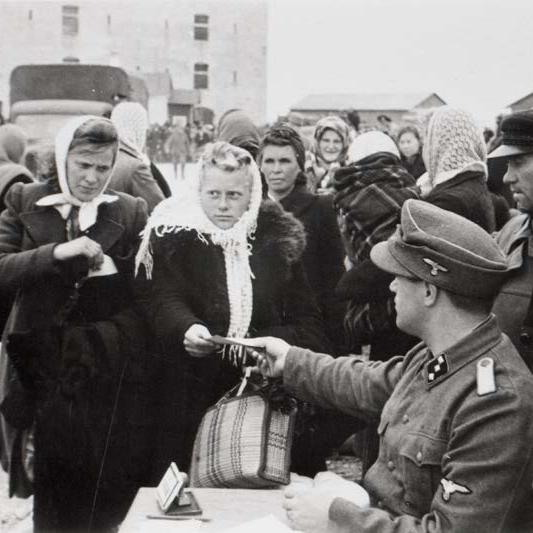
The widespread assumption that mainly members of the elite reached the West is inaccurate — the refugees came from every social group. Most departed from northern and western Estonia and from the islands. Some travelled by sea to Sweden and Finland, while others began their journey towards Germany. Many, however, were forced to return to Estonia from Latvia and Lithuania.
Who managed to secure a place on a ship depended on chance, social position and financial circumstances. Every successful escape was ultimately the result of a fortunate combination of circumstances.
“THE ESCAPE IN NUMBERS” Estonian Institute of Historical Memory portal
The Estonian Institute of Historical Memory has created a database containing information on approximately 65,000 wartime refugees.
It records their places of birth and departure, escape routes and destination countries. The database and accompanying maps help us understand how Estonians became dispersed across the world and what happened to them afterwards.
It is both a memorial and a historical record of the largest mass departure in Estonia’s history — a story that brings together personal tragedy, loss and the shared sense of community that survived in exile.
Read more
Database
THE LUTHER PLYWOOD SUITCASE
From the beginning of the 20th century, the Luther plywood and furniture factory operated in Estonia. Its largest distributor was the British company Venesta.
Among the factory’s products were hat boxes, handbags and suitcases, marketed as lightweight yet durable and available in a wide range of designs.
During the 1920s and 1930s, the company promoted the idea of travelling with smaller and lighter luggage, reflecting the growing popularity of travel by aeroplane and motor car.